કોવાયા. Kovaya, on the Saurashtra coast. 20.9065° N, 71.4535° E
ATKAYVA
Forged in the cement heartland.
Civil works, steel, shutdowns, machines, crews, haulage and fleet. And now IT and AI. One order and one accountable face, since 2015.
Loaded Sentinel-2 pass of 8 October 2026, ten metres to the pixel
You say what must be done, and by when.
We plan it, staff it, run it safely and hand it back clean.
In 2015 one excavator and a crew of six started work at Kovaya with a promise in three parts. Never miss a deadline. Never compromise on quality. Never burden the client with operational noise. Ten years later the fleet on call is three hundred machines and the promise has not changed by a word.
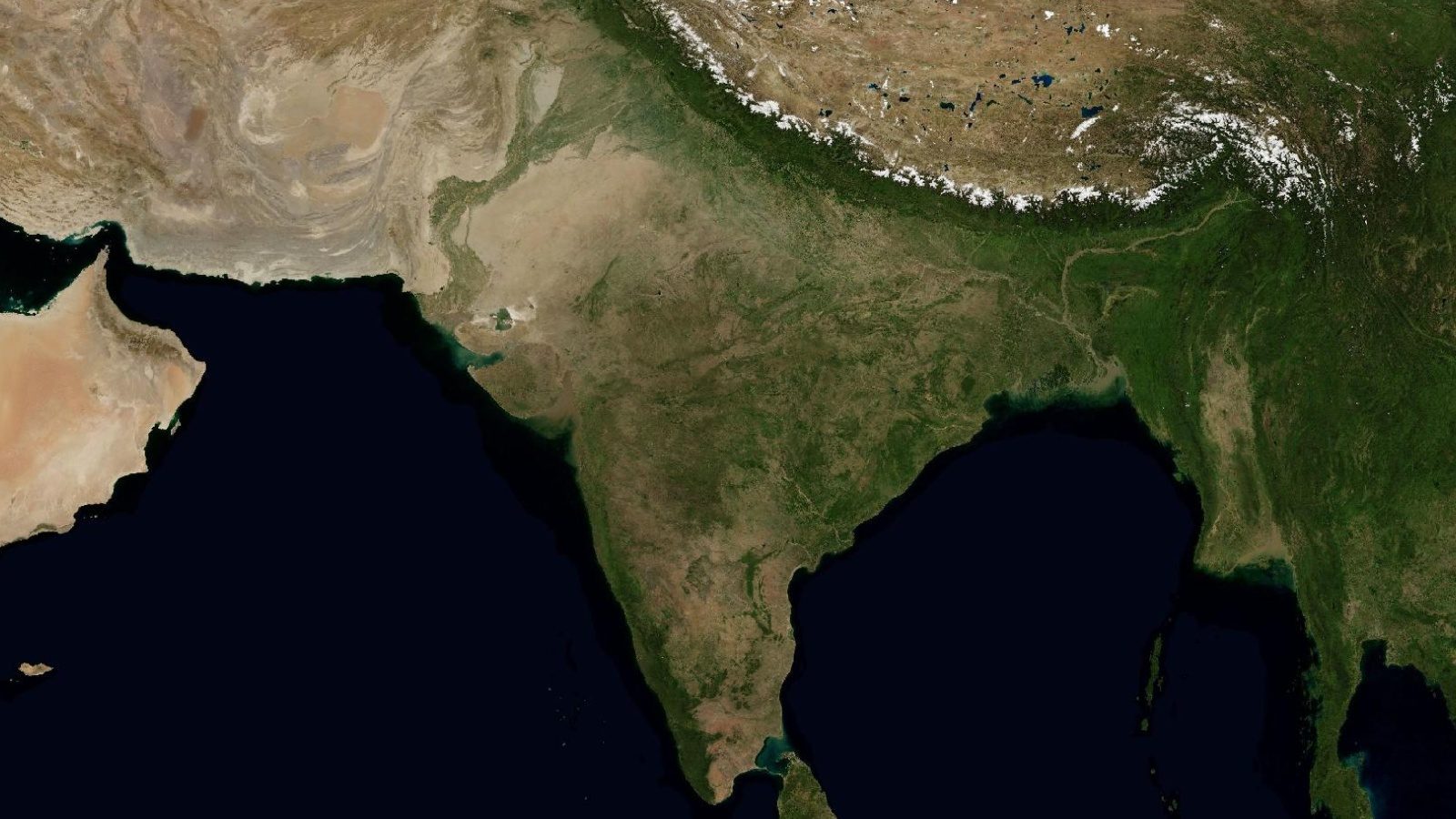
From orbit
Start here. End at our gate.
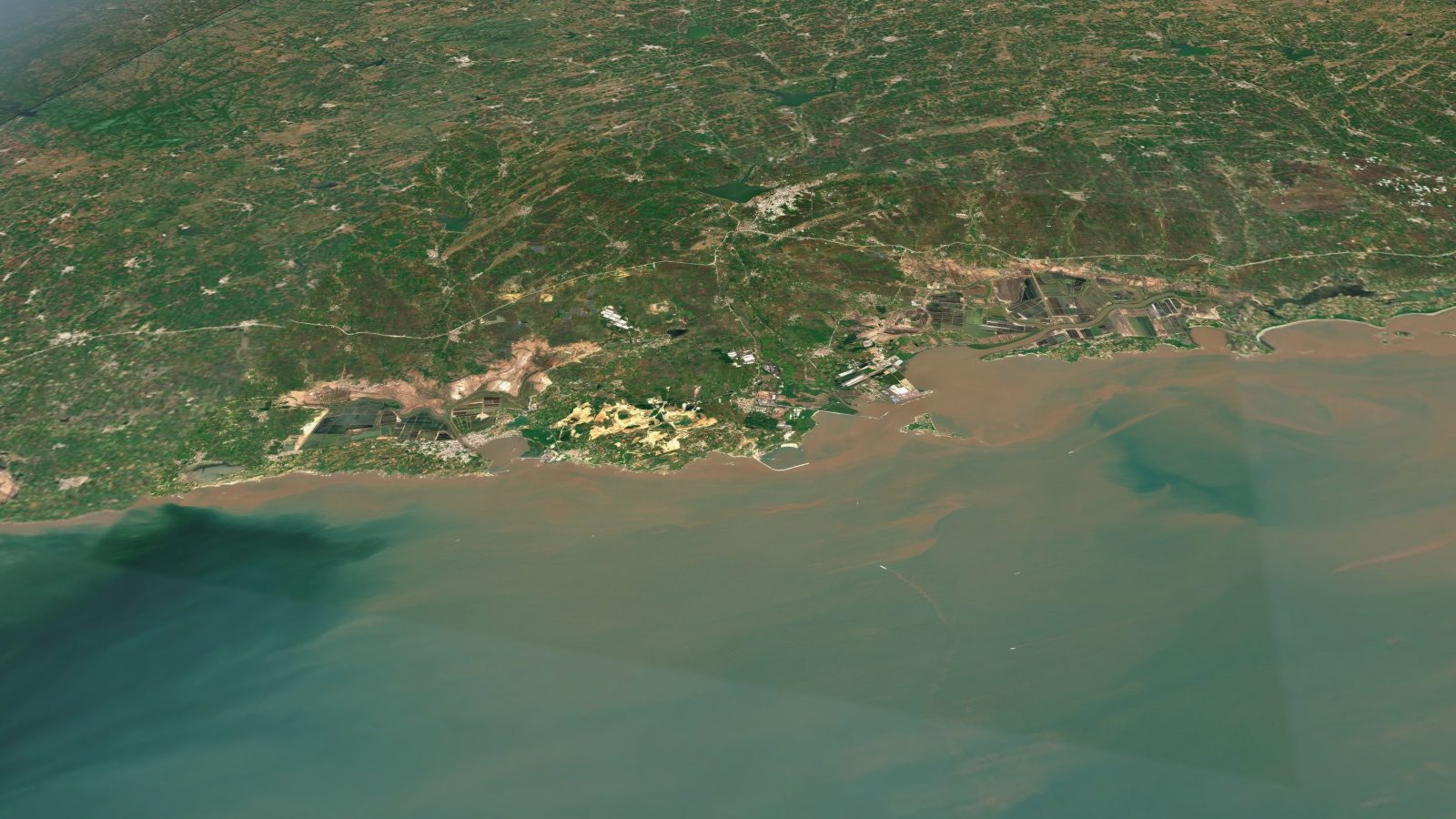
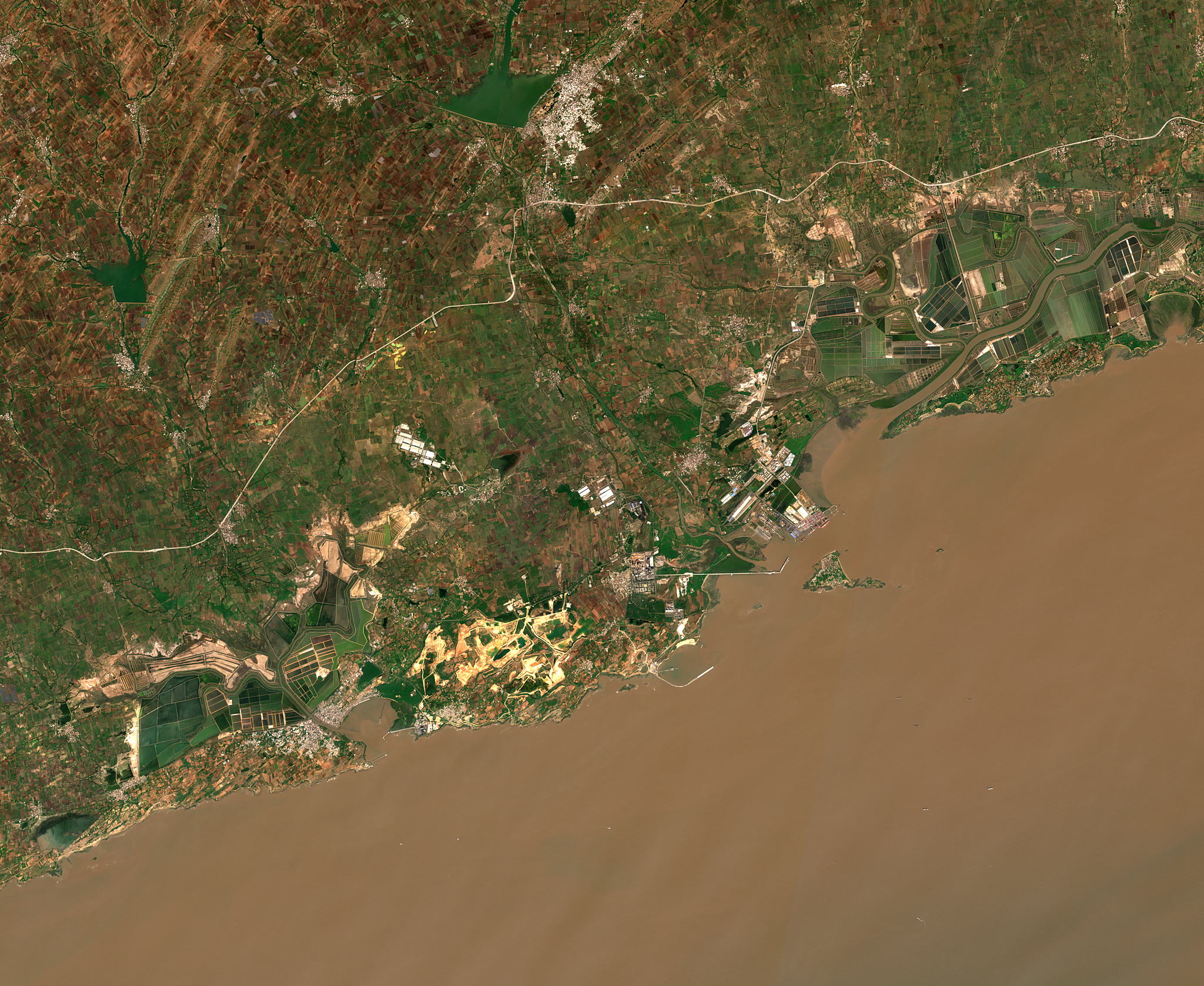
That fist of land pushing into the Arabian Sea is Saurashtra. Our whole working world is a strip of its southern shore that you could cover with a thumbnail from up here.
Scroll, and come down.
Gujarat
The old name is Kathiawar.
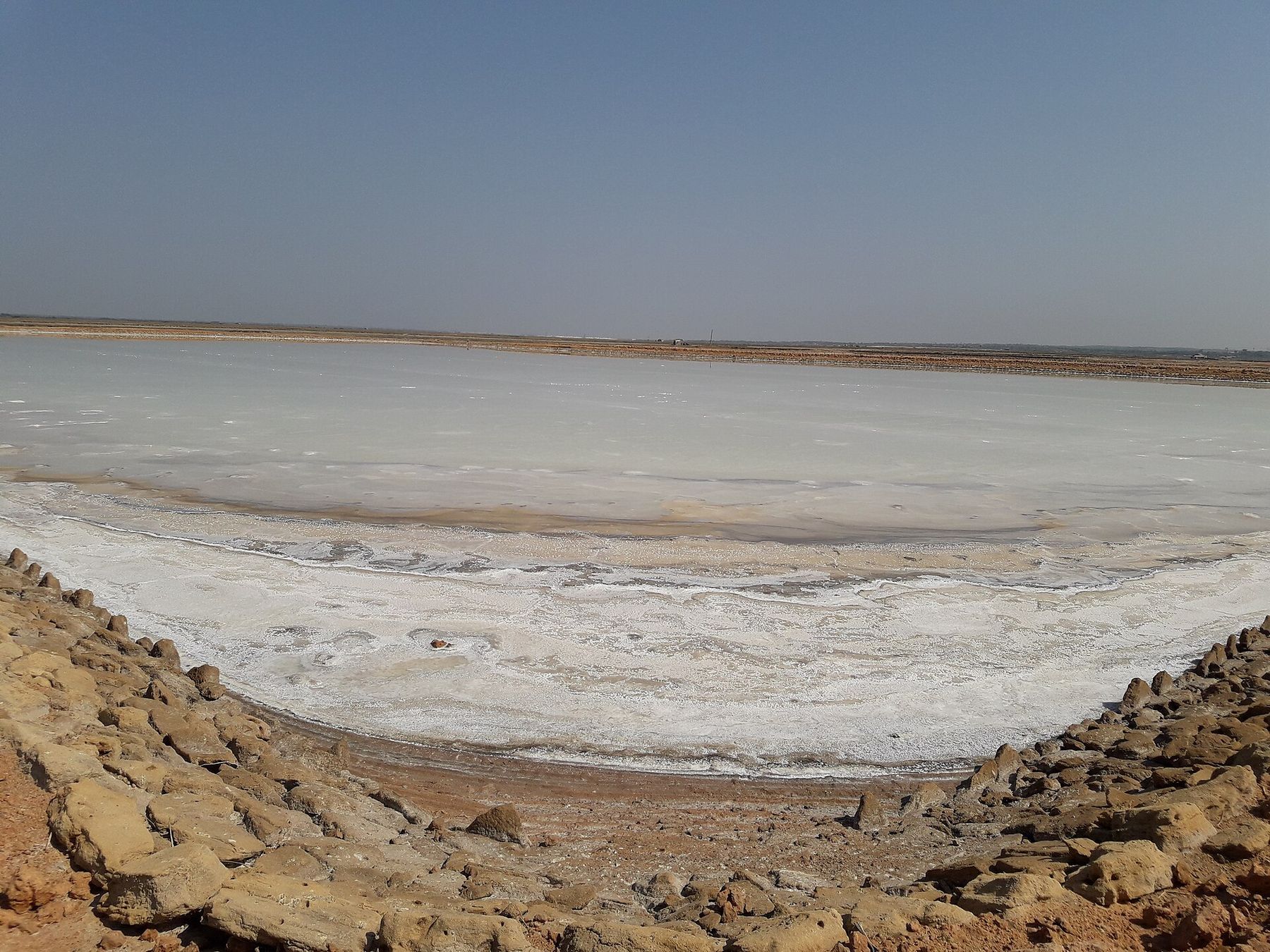
Lions in the middle. Salt at the edges. And along the south coast a seam of white limestone that the cement makers found in the early 1980s and have not left since.
Rajula and Jafrabad talukas, Amreli
Forty kilometres of shore.
Between Jafrabad in the west and Chanch in the east: two cement works, a container port, a shipyard, gas terminals, salt pans and an island village. Inside this frame our crews answer a call in under thirty minutes.
Real elevation
Now the ground has height.
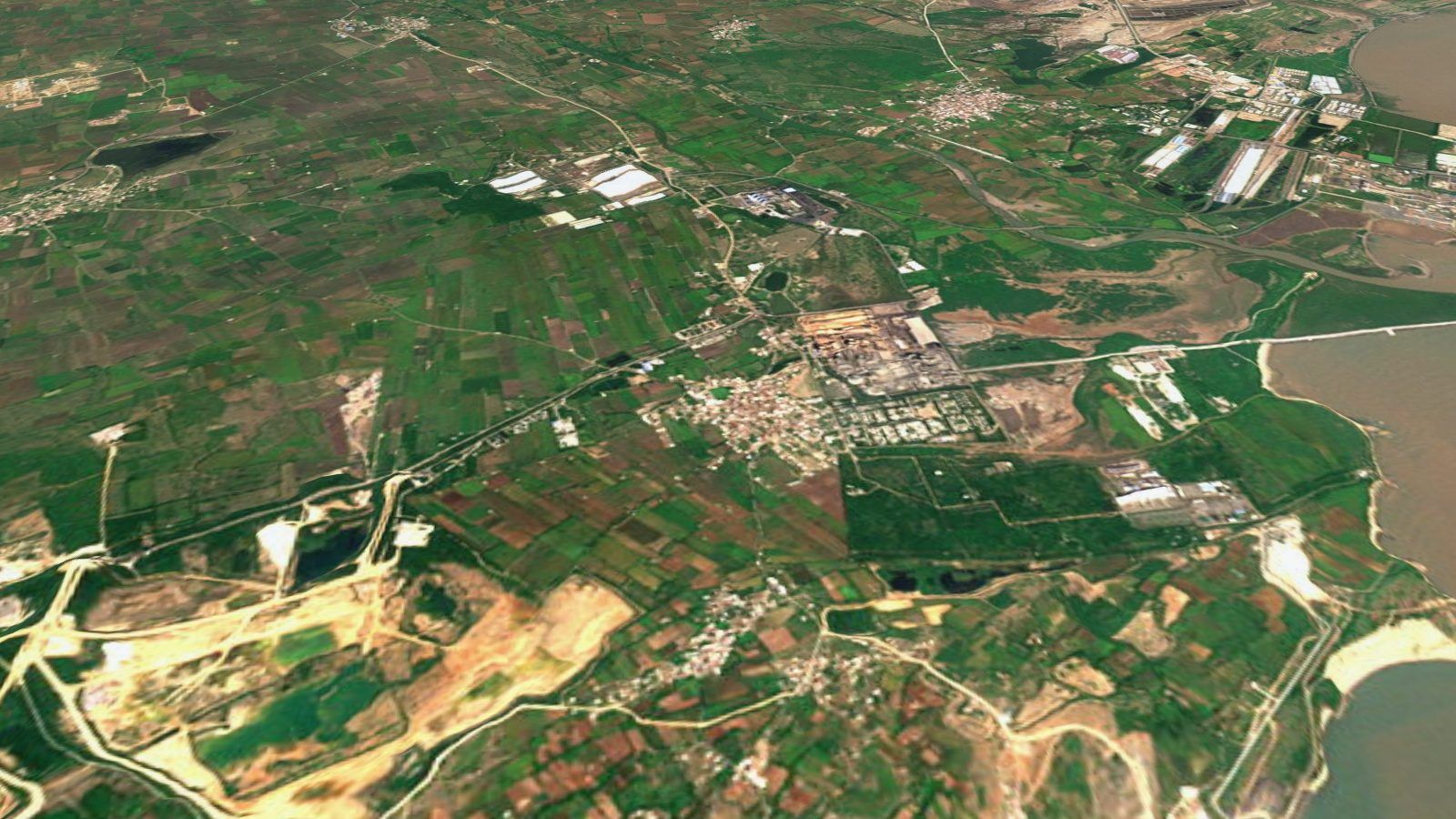
From here the land stands on real elevation data, stretched about four times so that a flat coast can be read from the air. White is limestone. The sea is brown with the silt of the Gulf of Khambhat, stirred by some of the highest tides in India.
20.866° N, 71.366° E
Jafrabad
A creek packed with fishing boats. Bombay duck drying on the racks. Salt pans behind the town, and a cement works on the shore since 1982.
The Bhakodar and Kovaya pits
The white pits
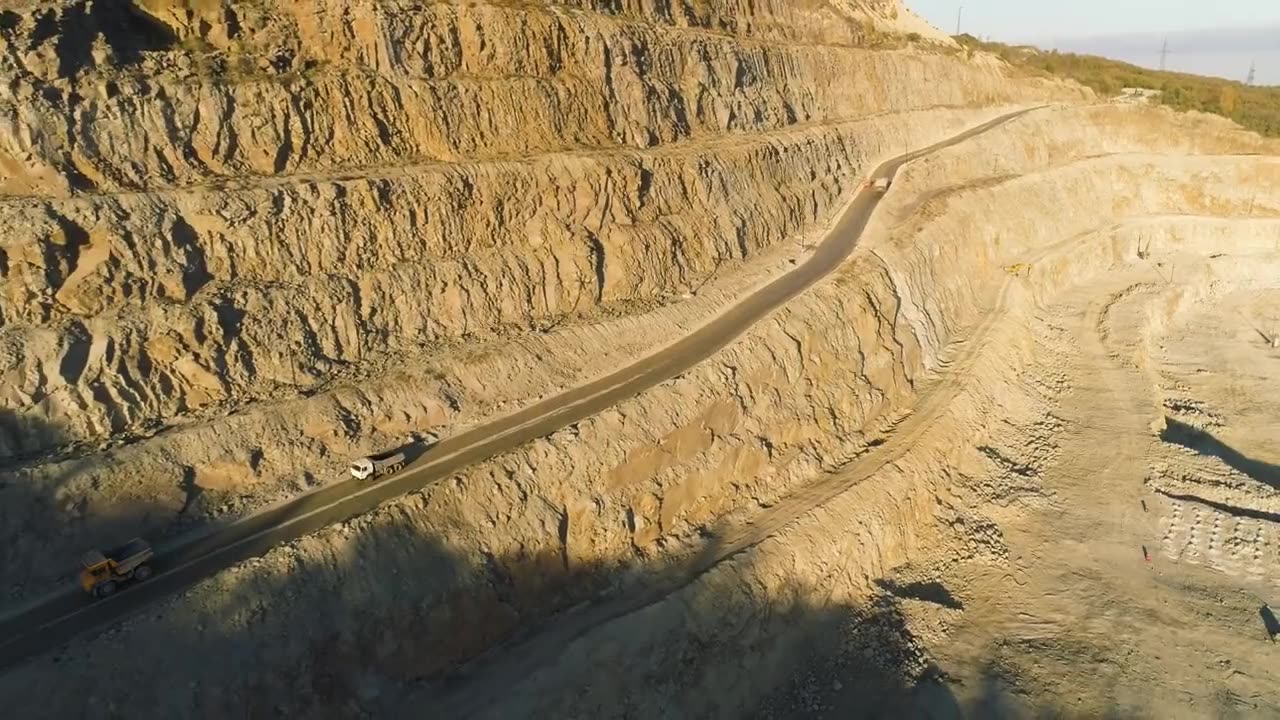
Limestone, cut in benches four to eight metres high and hauled to the kilns. Keep scrolling. The picture changes to the same ground every March since 2017. The pits widen, and the worked-out ones fill with green water.
20.9065° N, 71.4535° E
Kovaya
A village of about four thousand people with one of India's big cement works at its door. In 2015 one excavator and a crew of six started work from here. This is where the phone is answered.
The cement jetty
Three kilometres into the sea
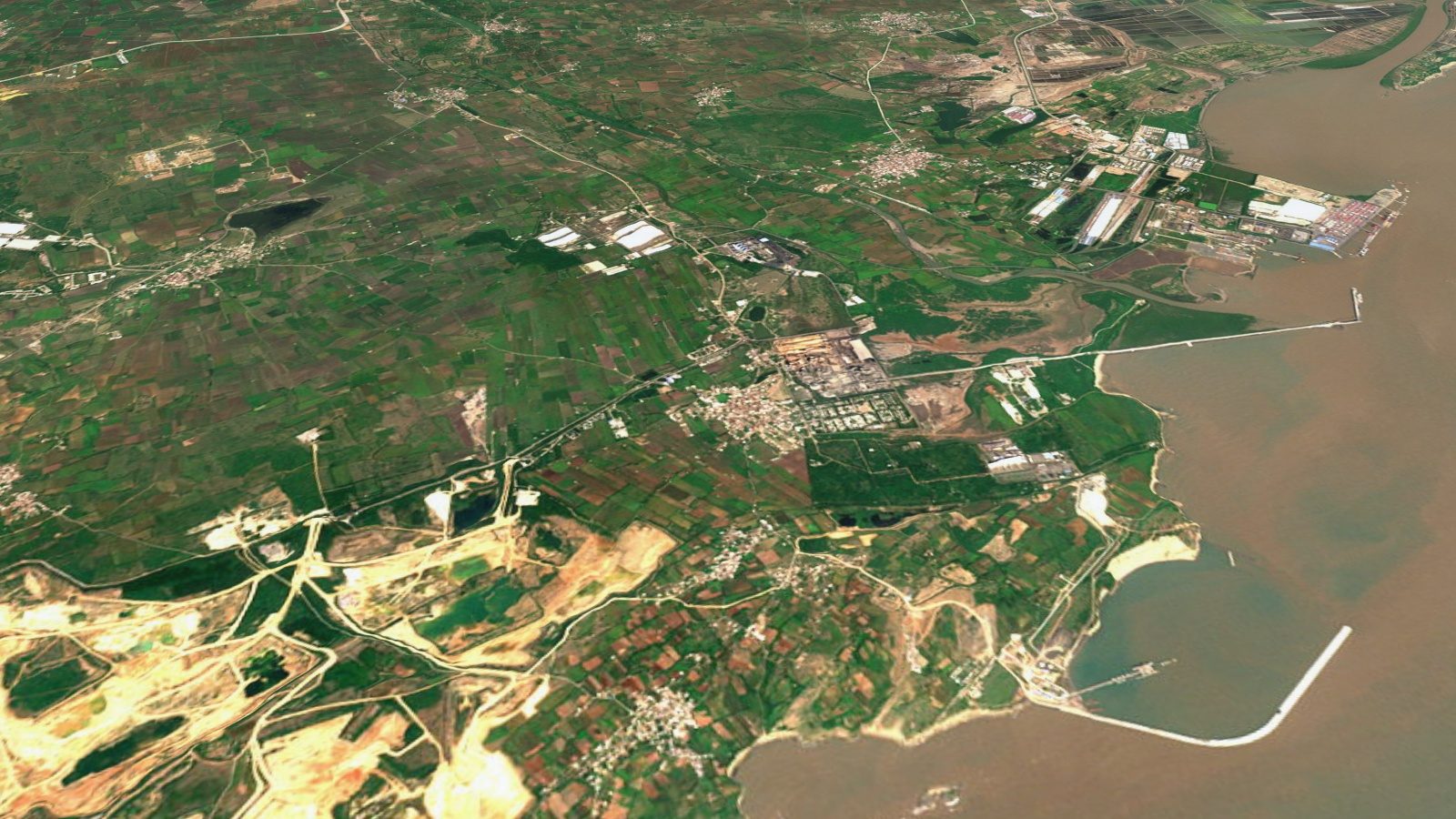
The works do not need a road to reach a ship. This jetty carries cement and clinker about 3.4 kilometres out to deep water. We measured it on this image.
The gas port
The curve that was not there
In March 2017 this was open sea. Keep scrolling, and watch a breakwater grow out of the water and curl around a new port for liquefied gas. Somebody tipped that rock, one truck at a time.
20.922° N, 71.508° E
Port Pipavav
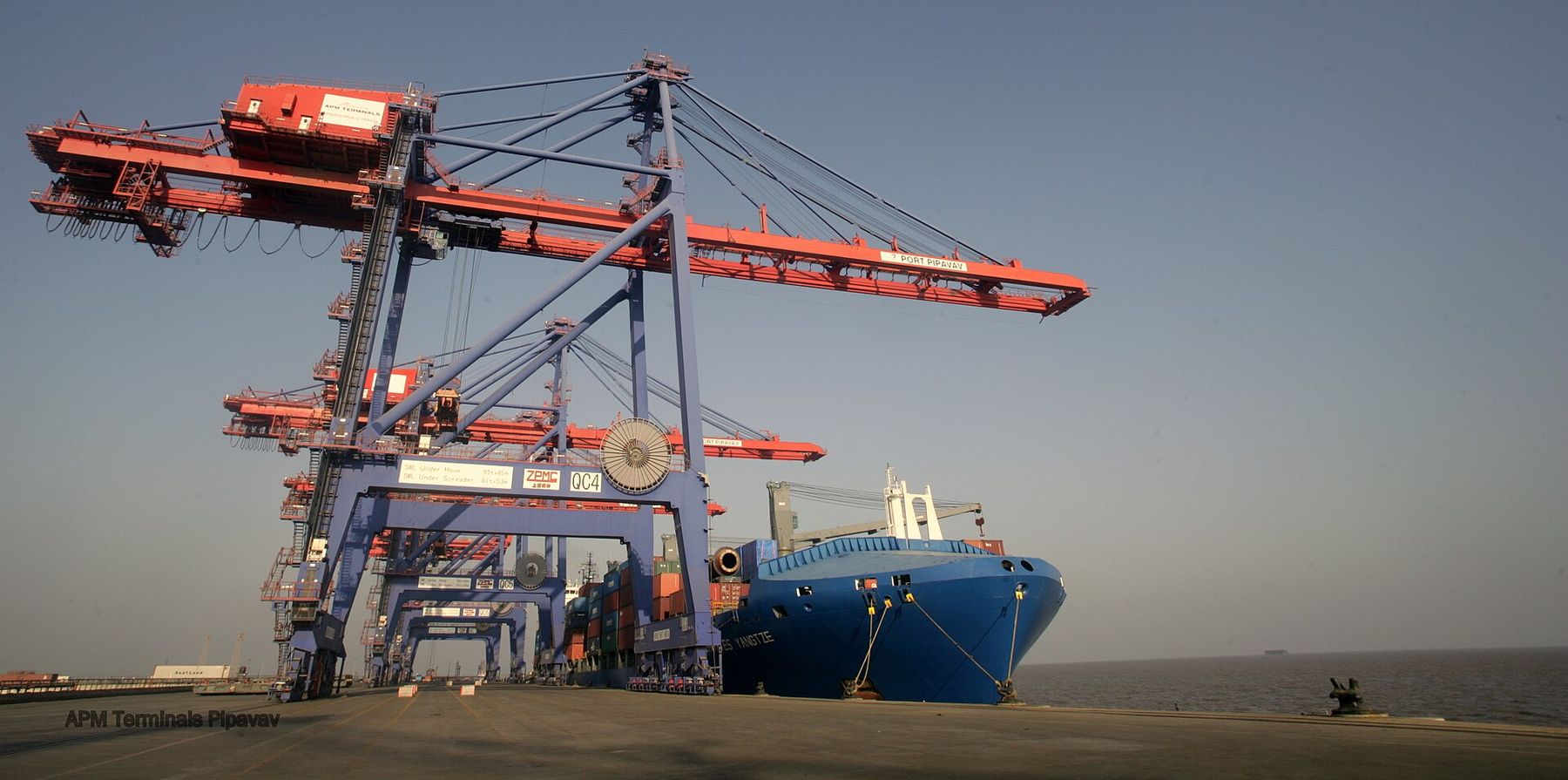
India's first private port. Cargo since 1996. Containers, cars, bulk and liquids, and since 2006 trains that carry containers two high.
The island
Shiyal Bet
An island of fishing families, a kilometre and a half off the quay. Electricity reached it in June 2016, through six kilometres of cable laid under the sea.
After dark
And then the night shift
These are the real lights of the coast, photographed from orbit. The bright knot on the shore is the corridor we work in. The kilns do not stop. Neither does our phone.
Choose your mission
Twelve capabilities. Take one, or hand us the whole job under a single order. Point at a panel and the film runs.
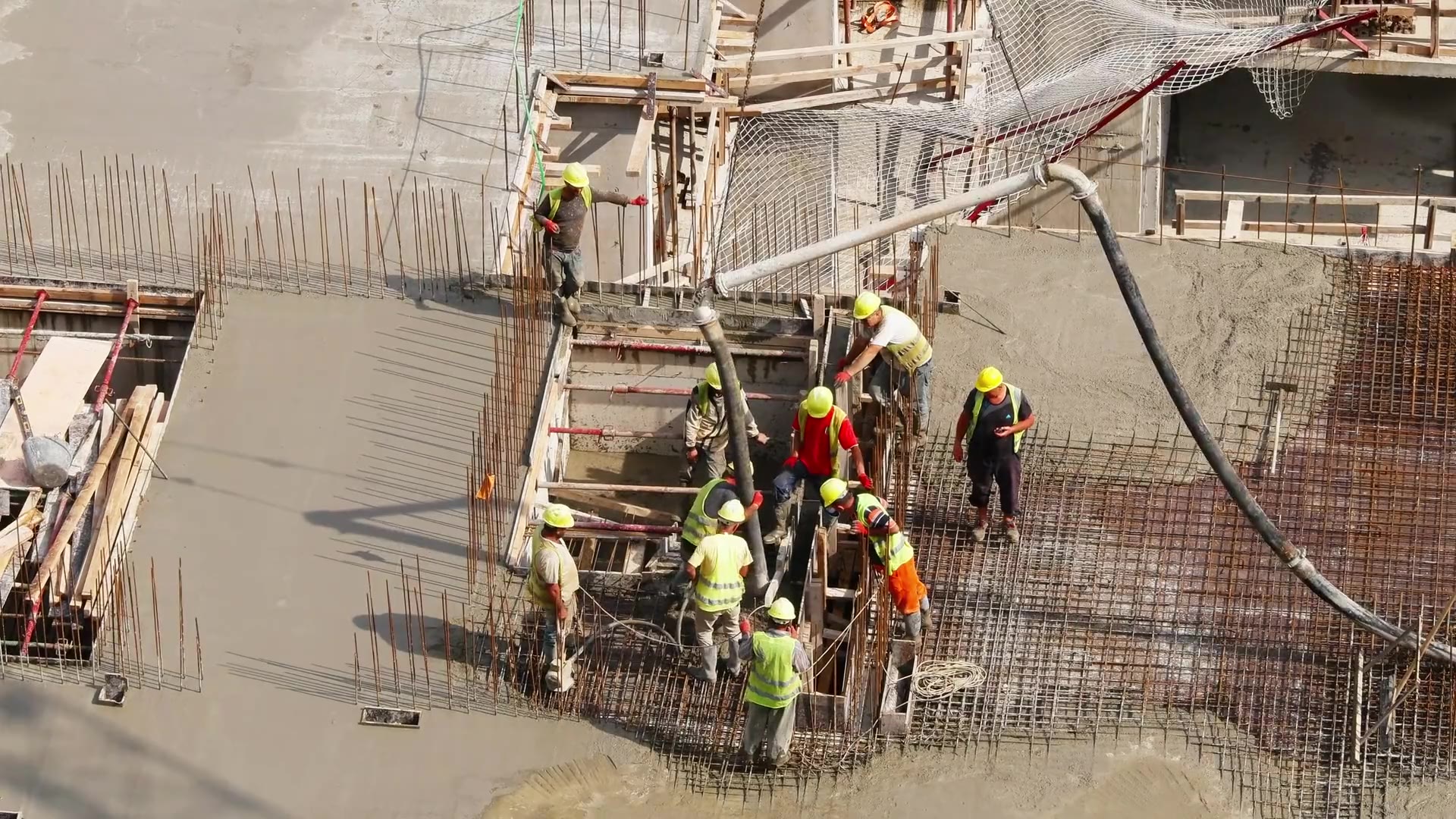 Civil and structuralFoundations that carry crushers and mills. Mass pours, rock, roads.
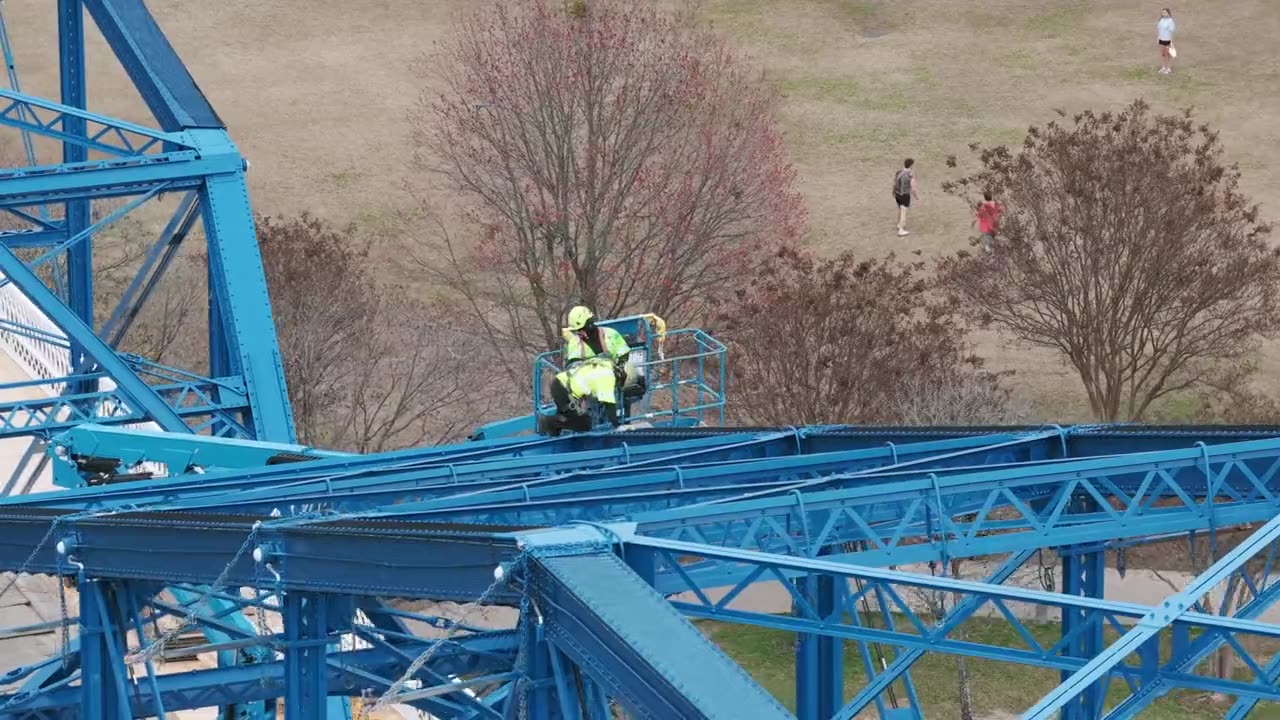 Mechanical erectionSteel, conveyors, tanks, alignment and grouting.
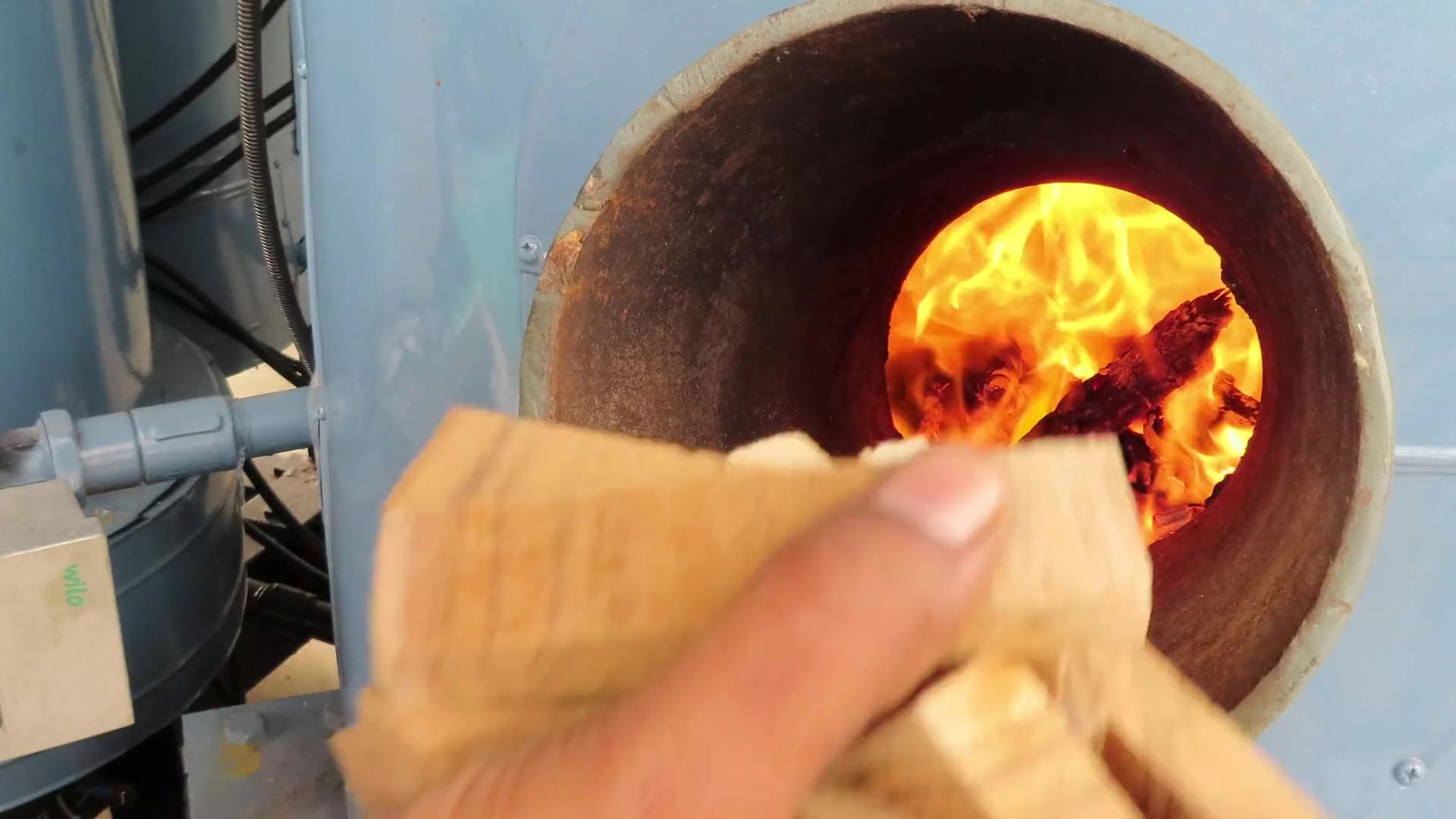 ShutdownsThe kiln is cold for a fixed number of days. We fill every one.
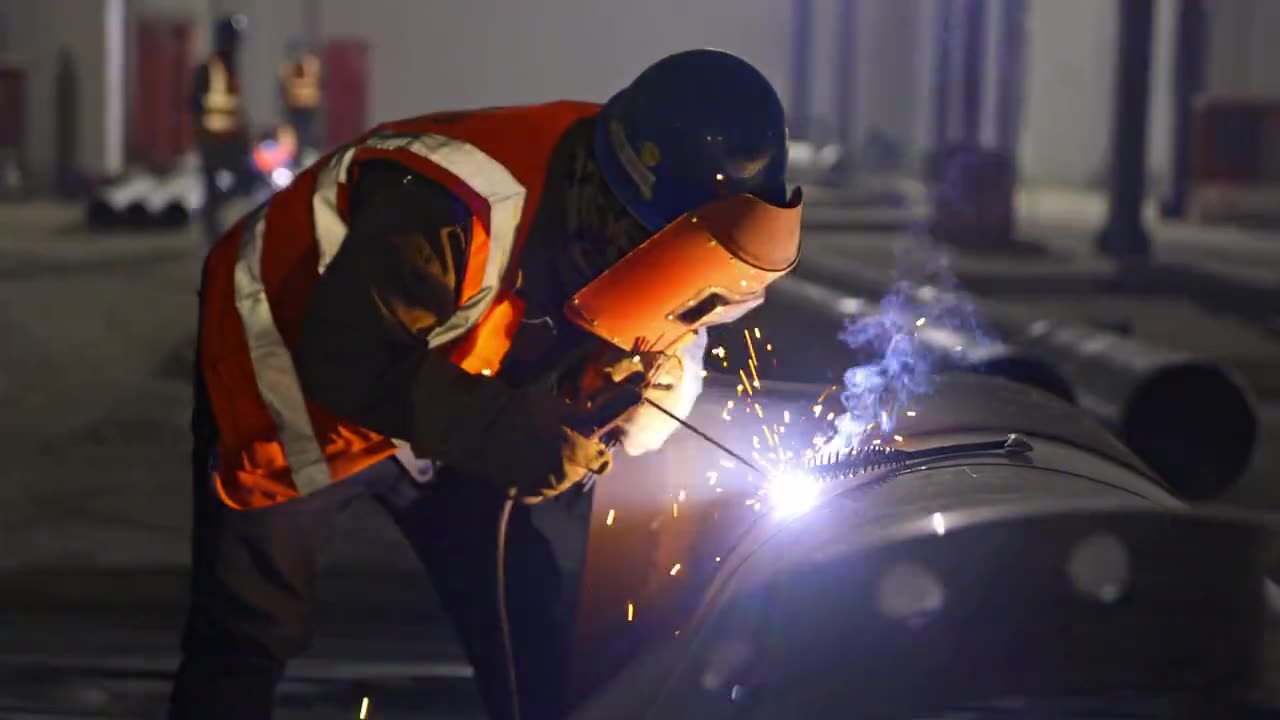 Emergency call-outOn site in under thirty minutes inside the belt. Any hour.
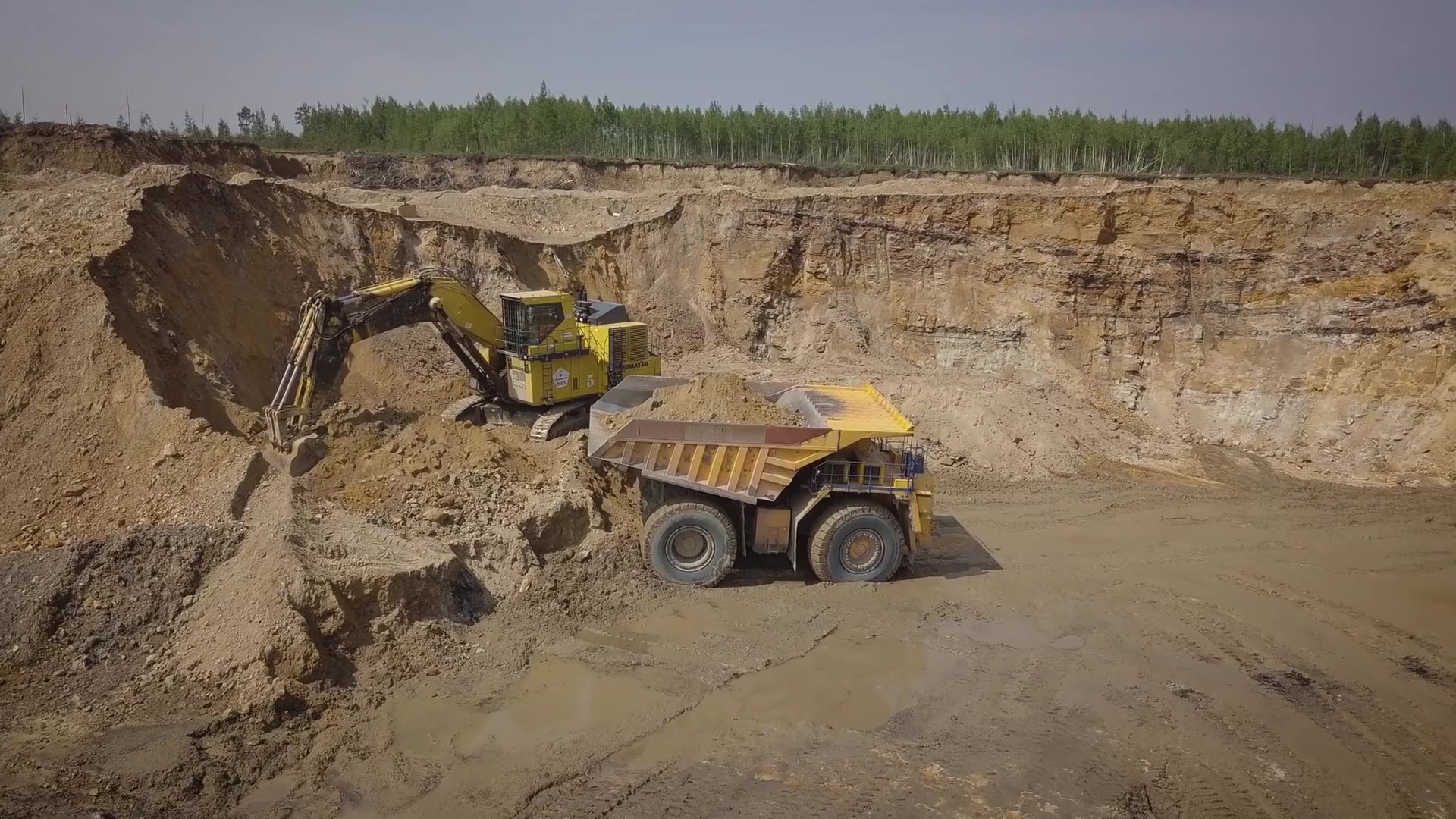 Heavy machineryThree hundred machines on call, with operators who know them.
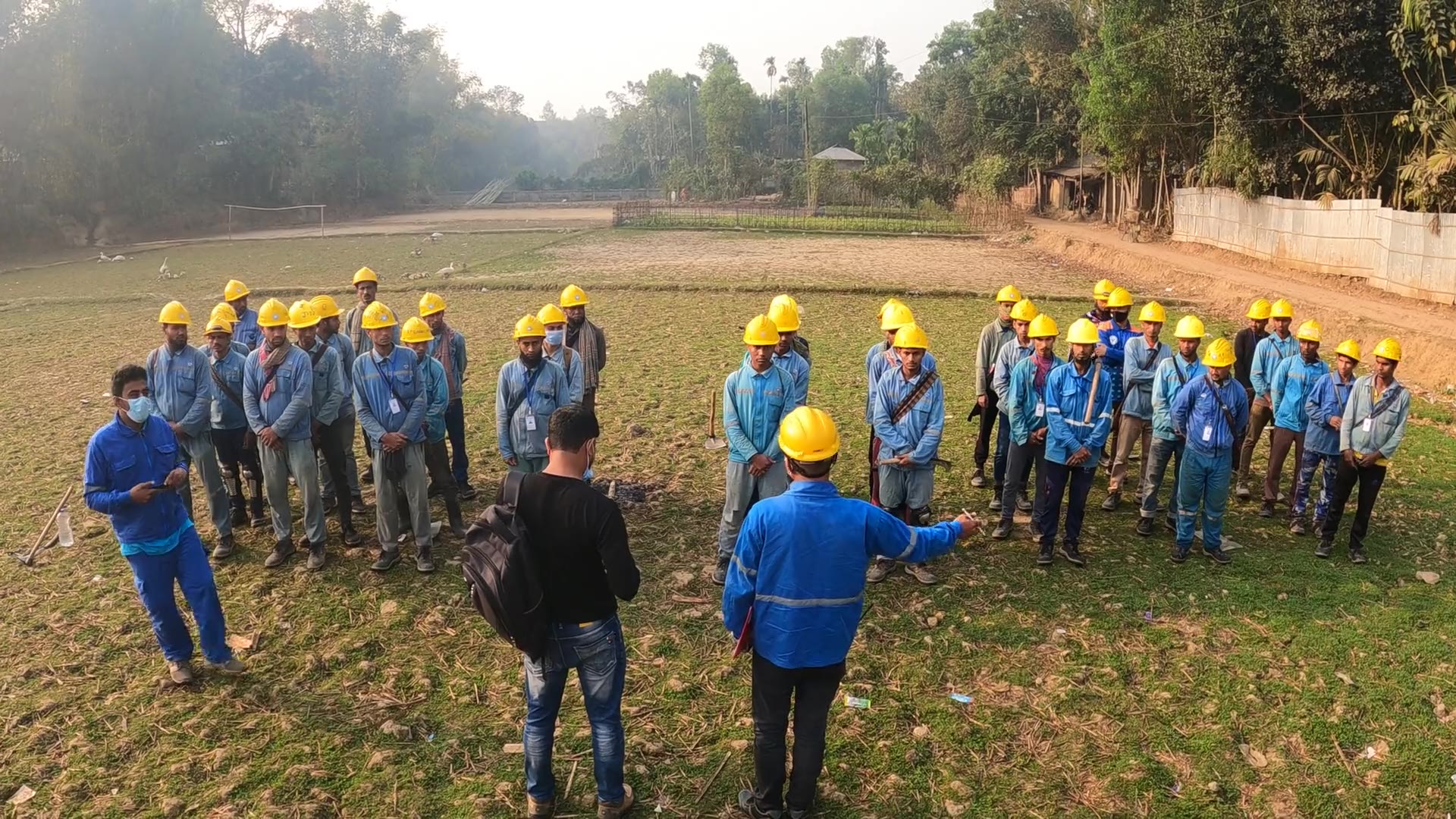 ManpowerFitters, welders, riggers, masons. Six hundred hands in 72 hours.
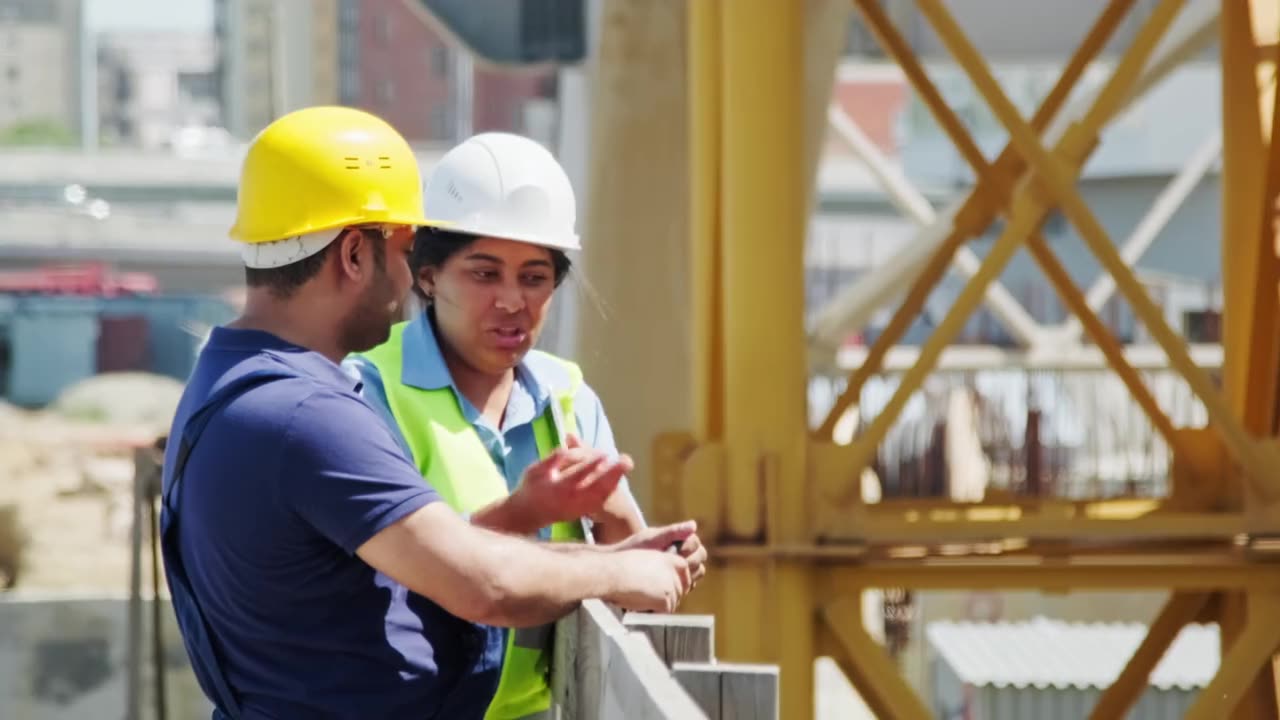 EngineeringSomeone checks the drawing before we build it.
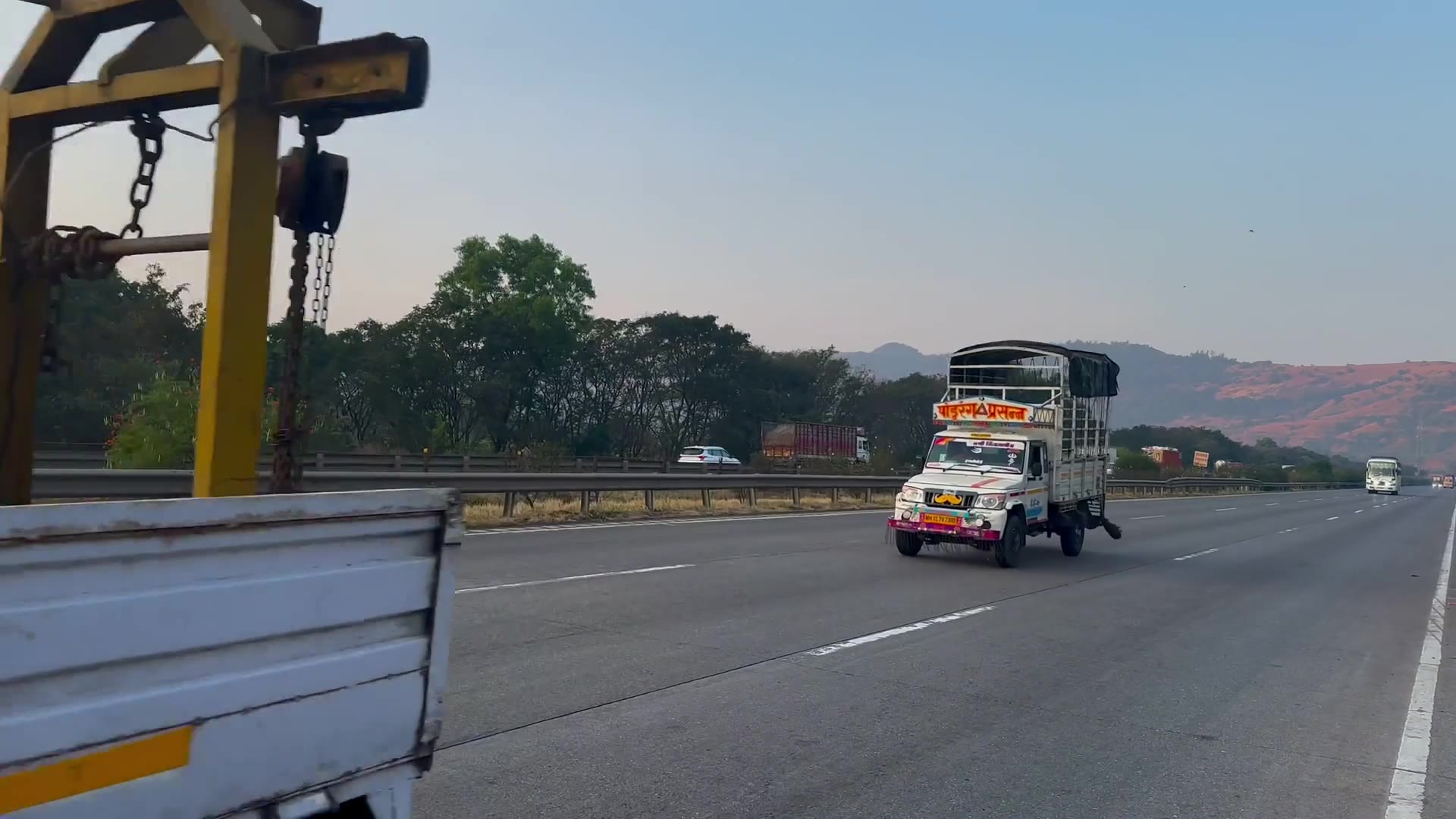 TransportTippers, flatbeds, low-loaders, bulk carriers. Gate to gate.
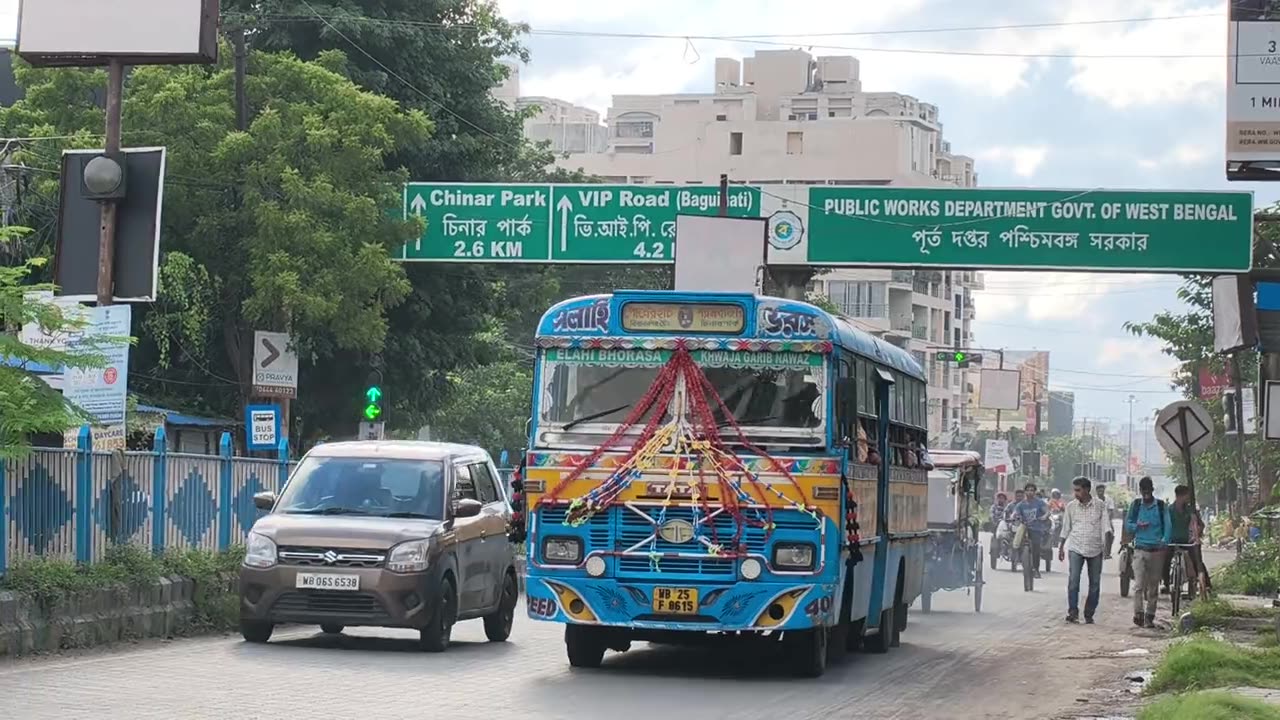 Corporate fleetShift buses, officer cars and site vehicles, with drivers.
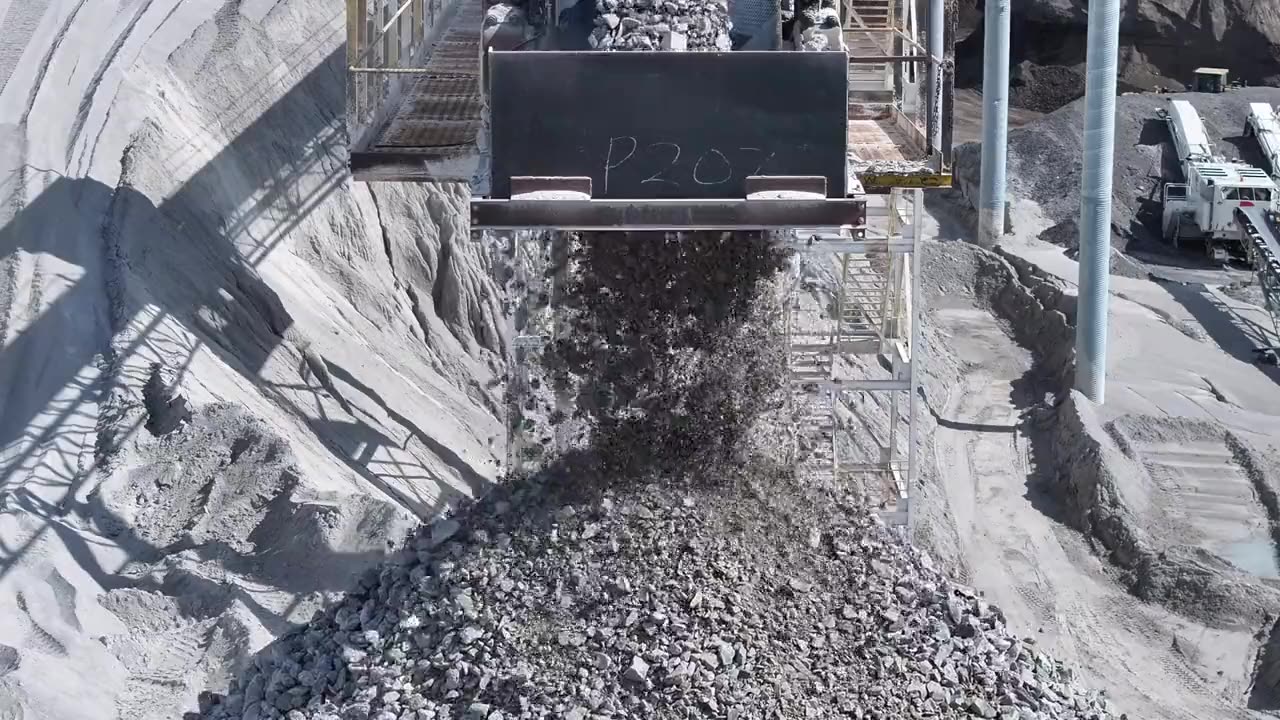 MaterialsAggregate, sand, cement, steel. Weighed, ticketed, on time.
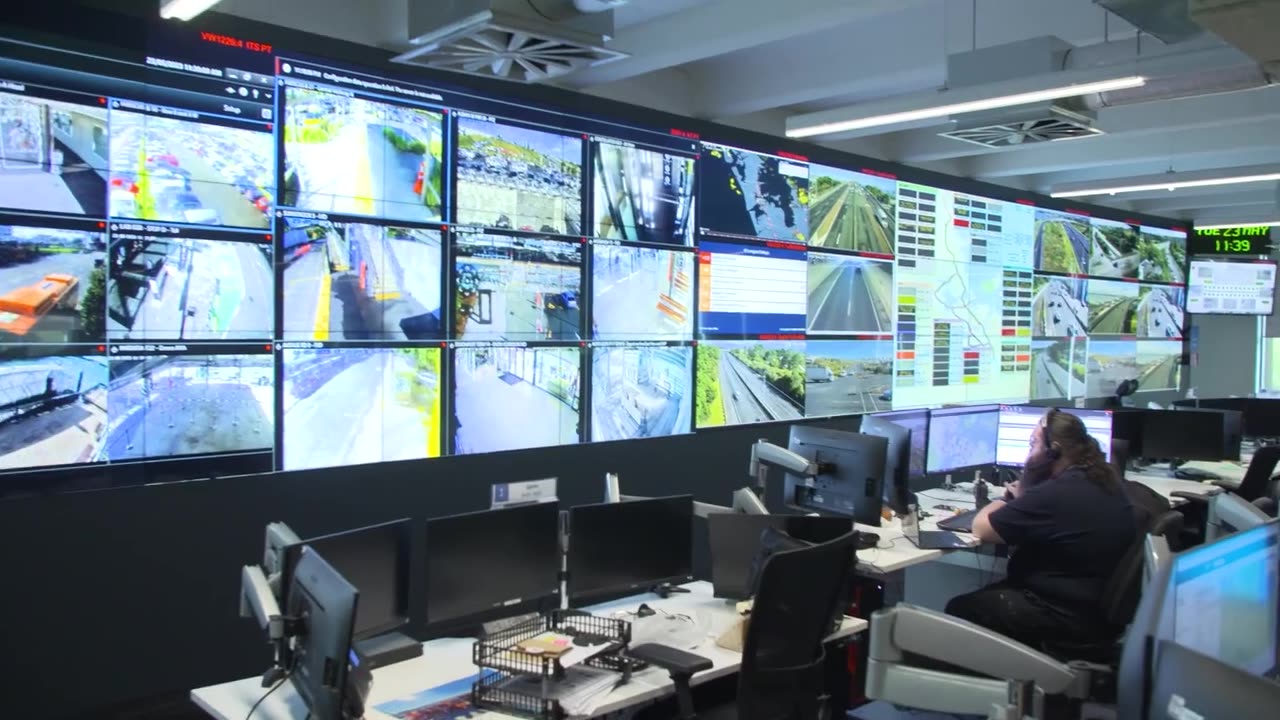 IT and AINetworks, cameras, weighbridges, dashboards and machine intelligence.
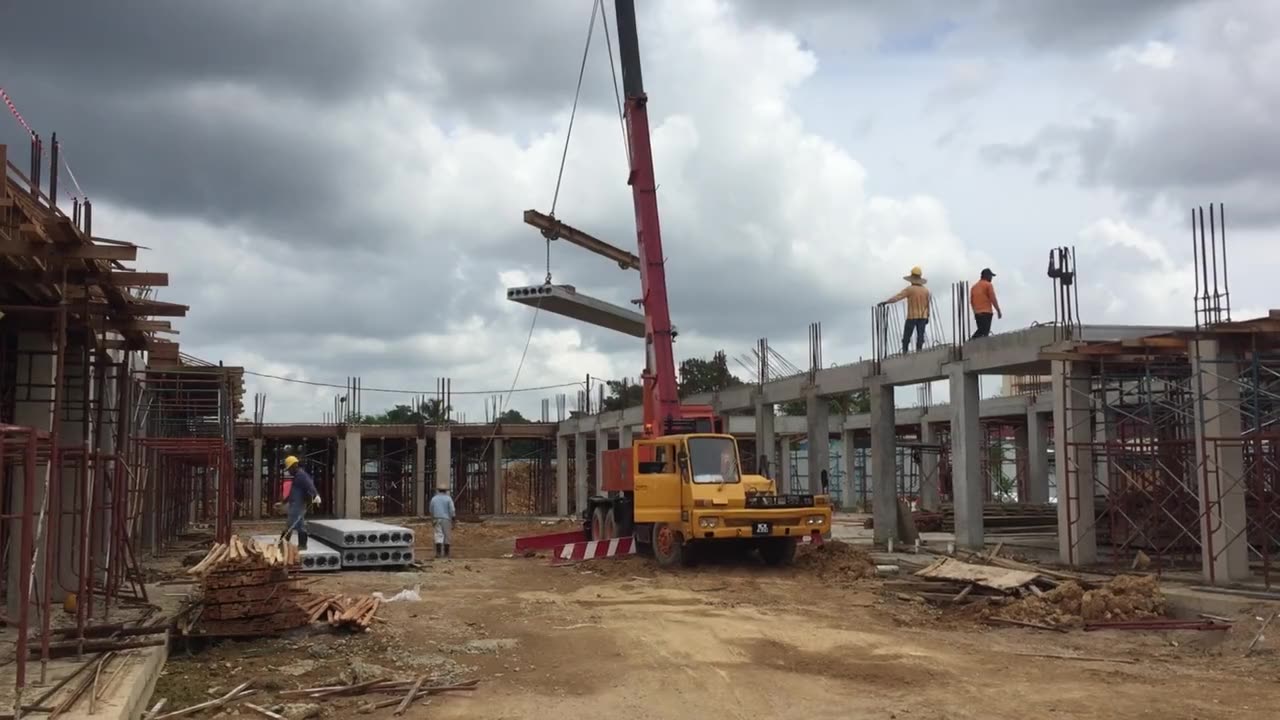 The whole jobOne order. One project manager. Zero interference.
Prefer a wheel? Press Q anywhere on the site.
The record so far
- Started
- 2015, Kovaya
- First fleet
- 1 excavator, crew of 6
- Machines on call today
- 300+
- Core cadre
- 130
- Call-up pool, ready in 72 hours
- 600+
- Man-hours worked since 2015
- 2.5 million+
- Reportable lost-time incidents
- 0
- Concrete placed, no structural failure
- 60,000+ m³
- Emergency response inside the belt
- under 30 min
- Machine uptime we commit to
- 98%
Every figure here comes from our own record and is explained on the numbers page, including how each one is counted.
Kathas of a word kept
Kathiawar has always kept its accounts as stories. Jhaverchand Meghani walked this country writing them down. These are ours, told his way and checked against the record.
The coast, this year
It is day and night in Kovaya. The site office phone is awake. Below is the same shore photographed from orbit through one year. Drag the slider and watch the monsoon arrive.
The cable goes in the same trench
We already dig the duct, pull the cable and build the control room. Now we also fit what runs on it: networks, cameras, weighbridge software, fleet tracking, dashboards, and machine intelligence that reads a drawing or spots a missing helmet.
Thirty-four teachers
Nobody on this coast invented the lever, the honest ledger or the question asked before the work begins. We borrowed them. Point at a face and it will tell you what we took.
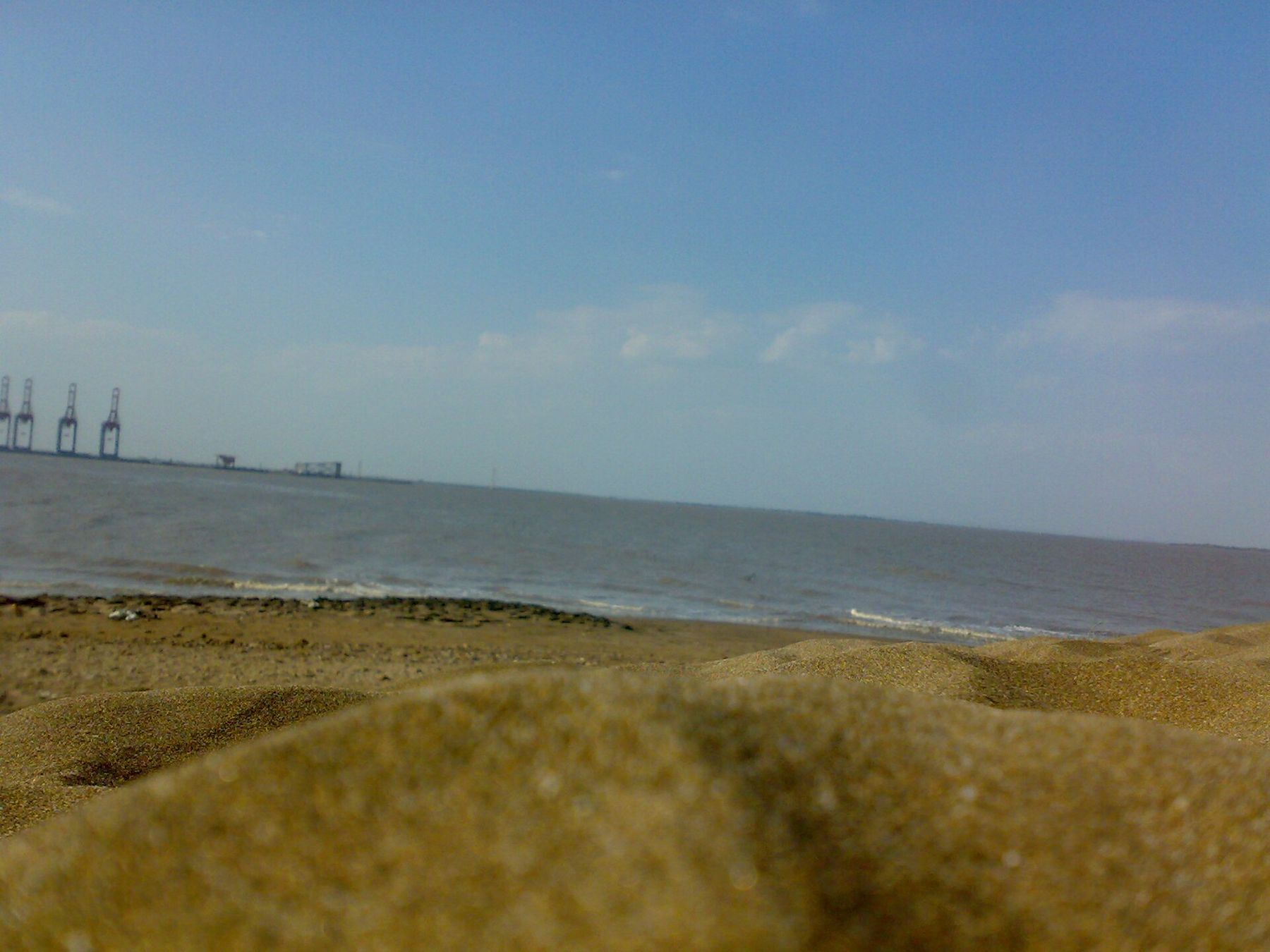
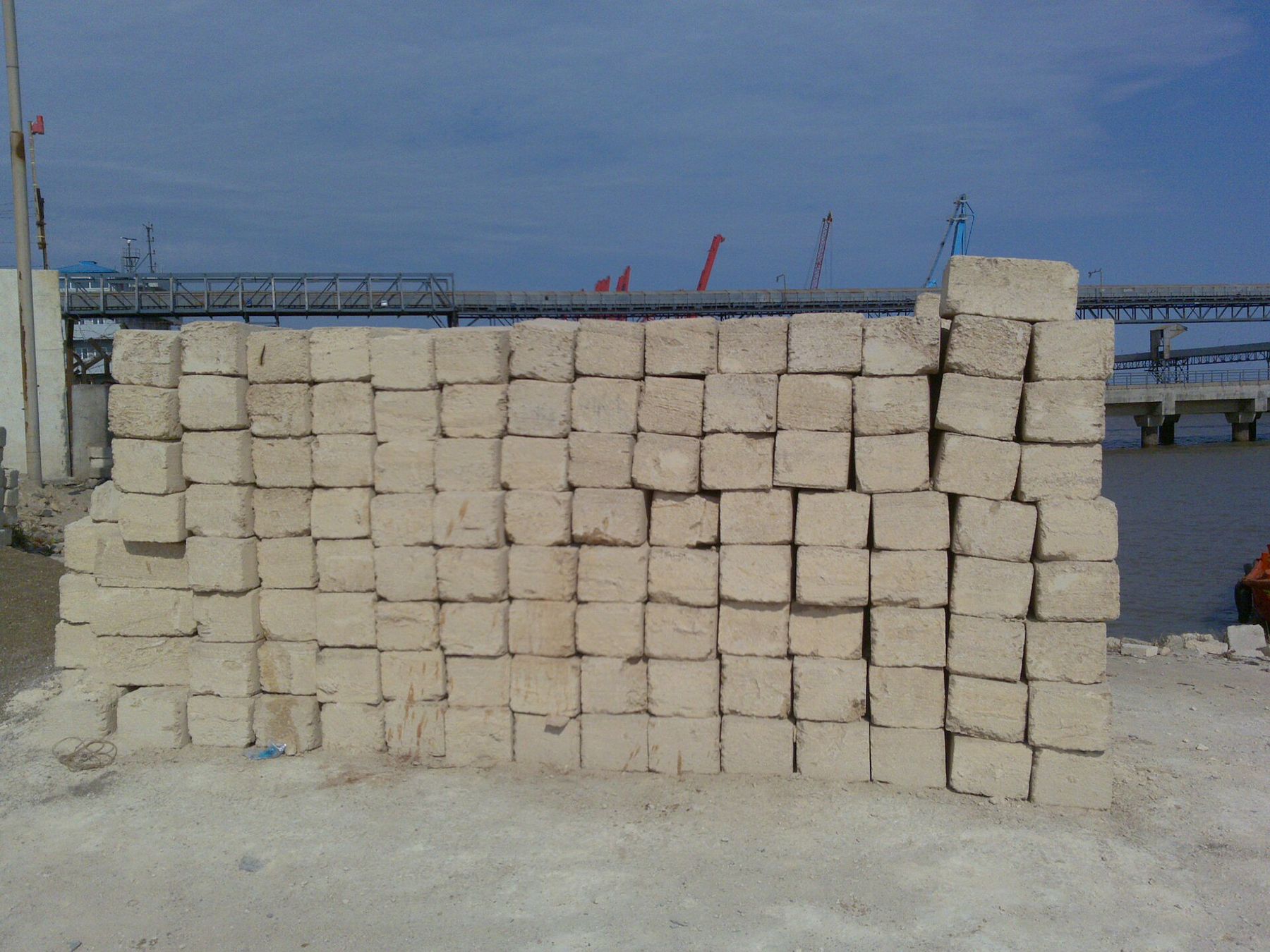
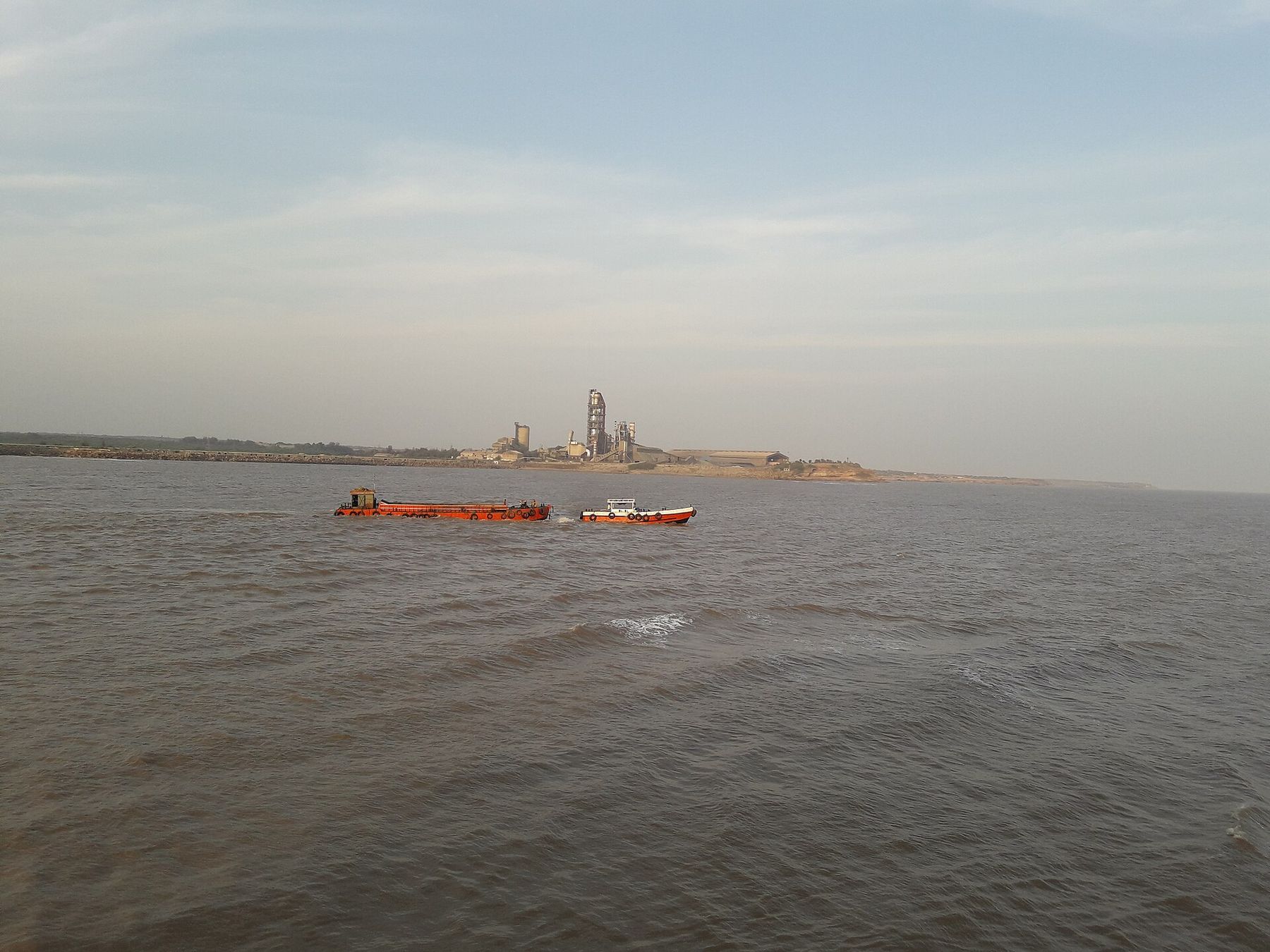
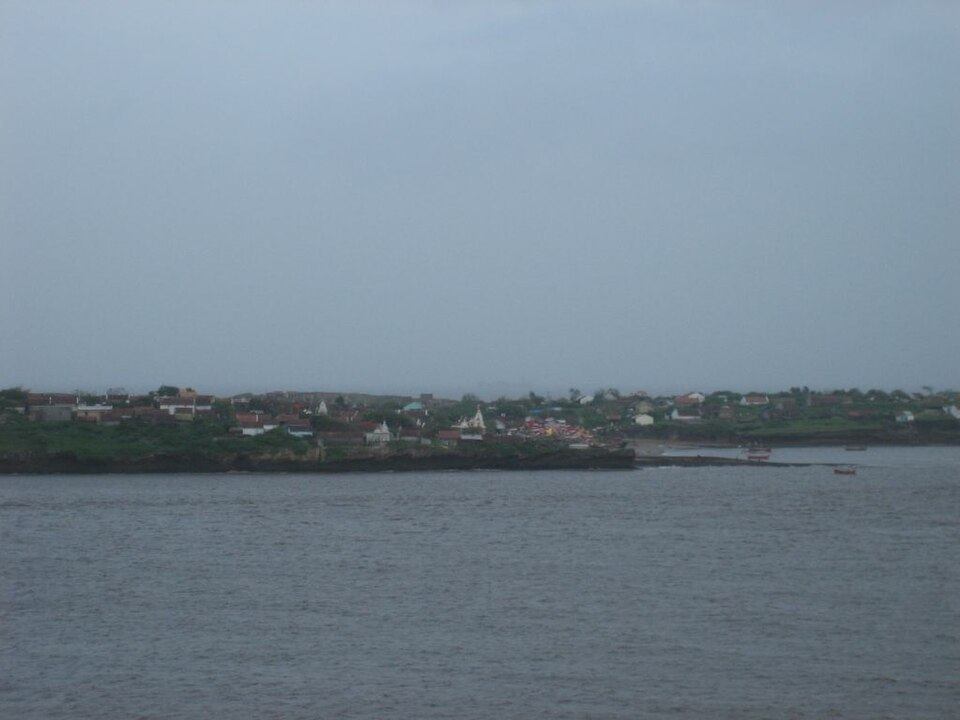
This coast, photographed
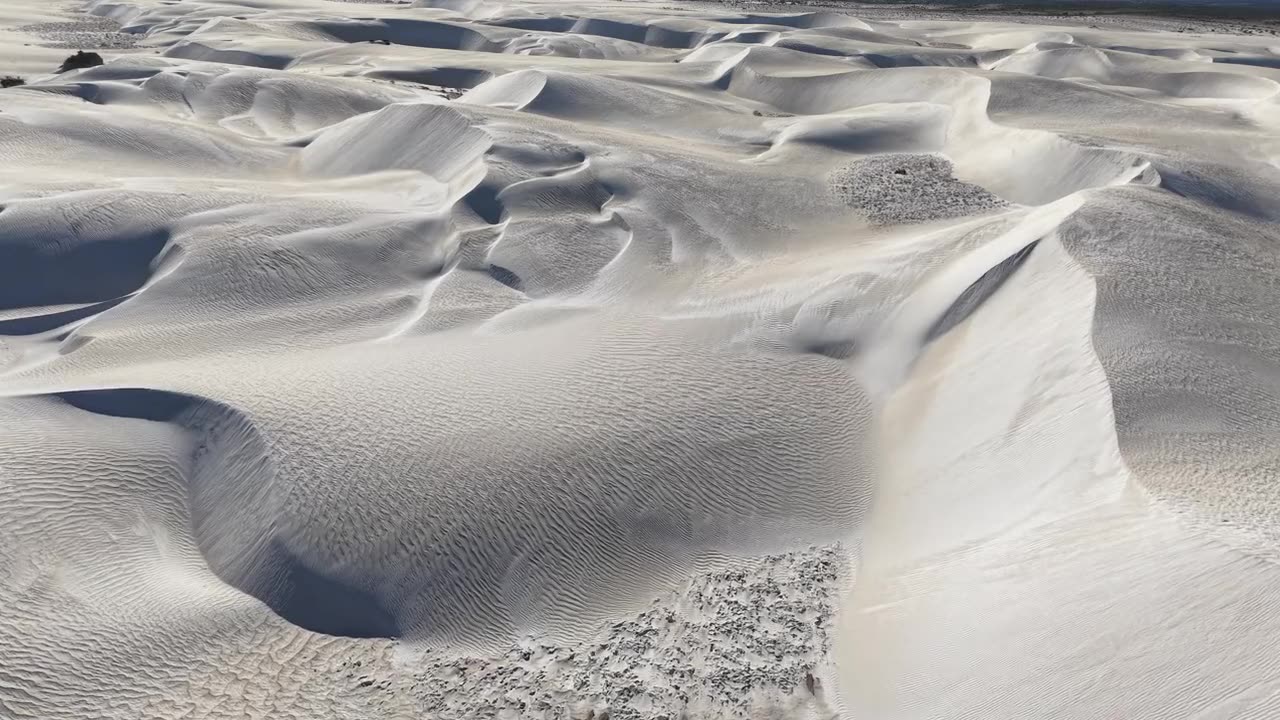
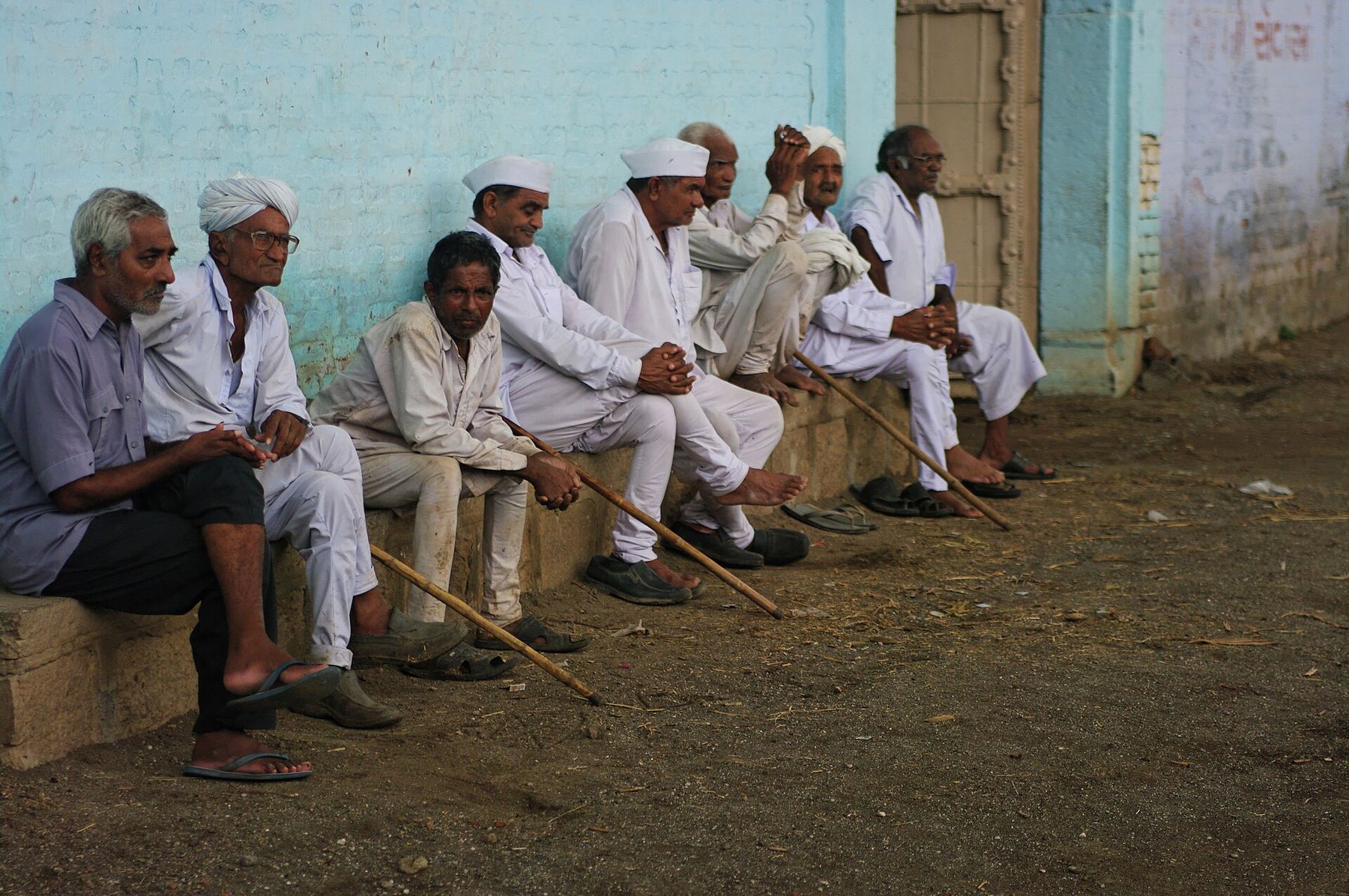
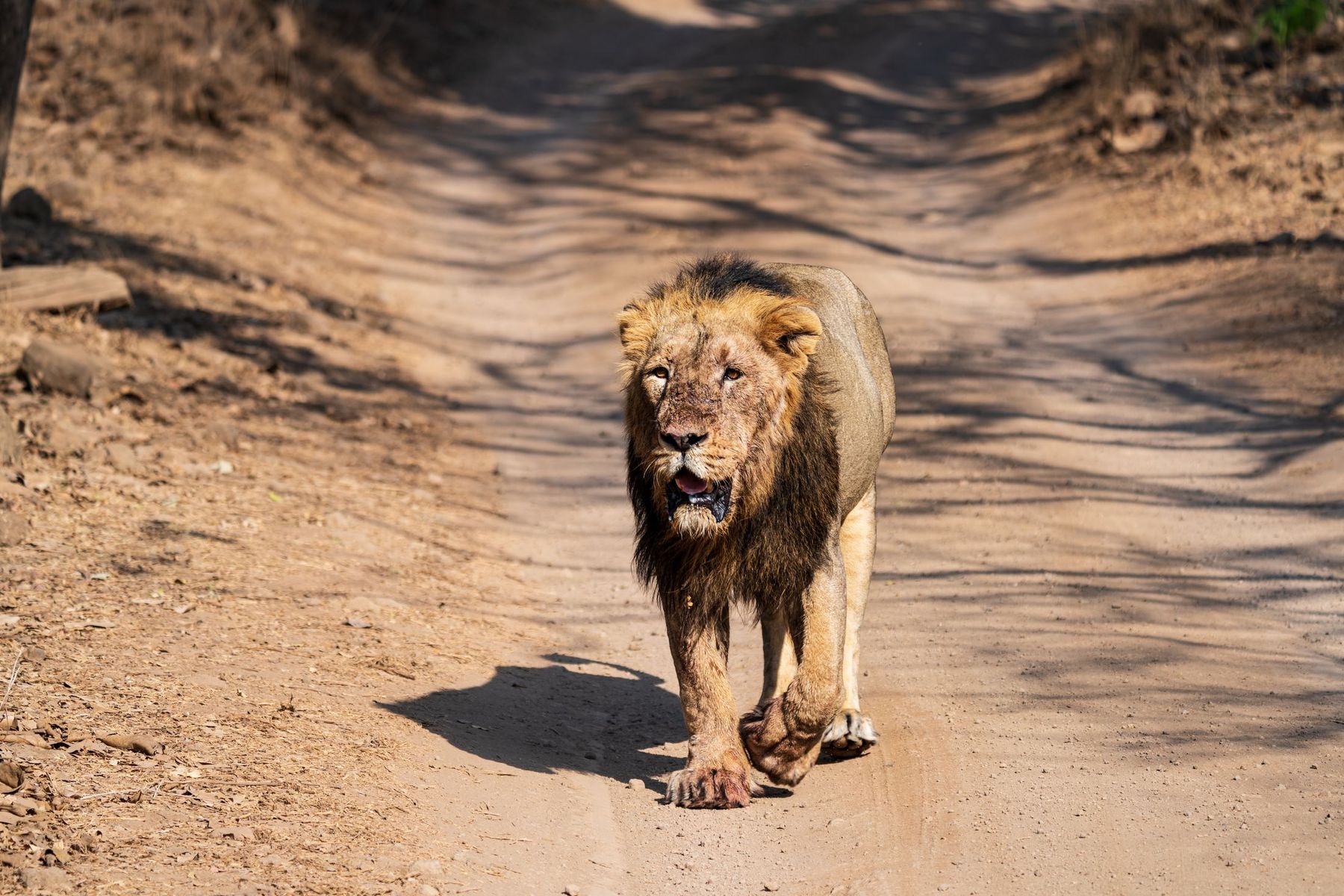
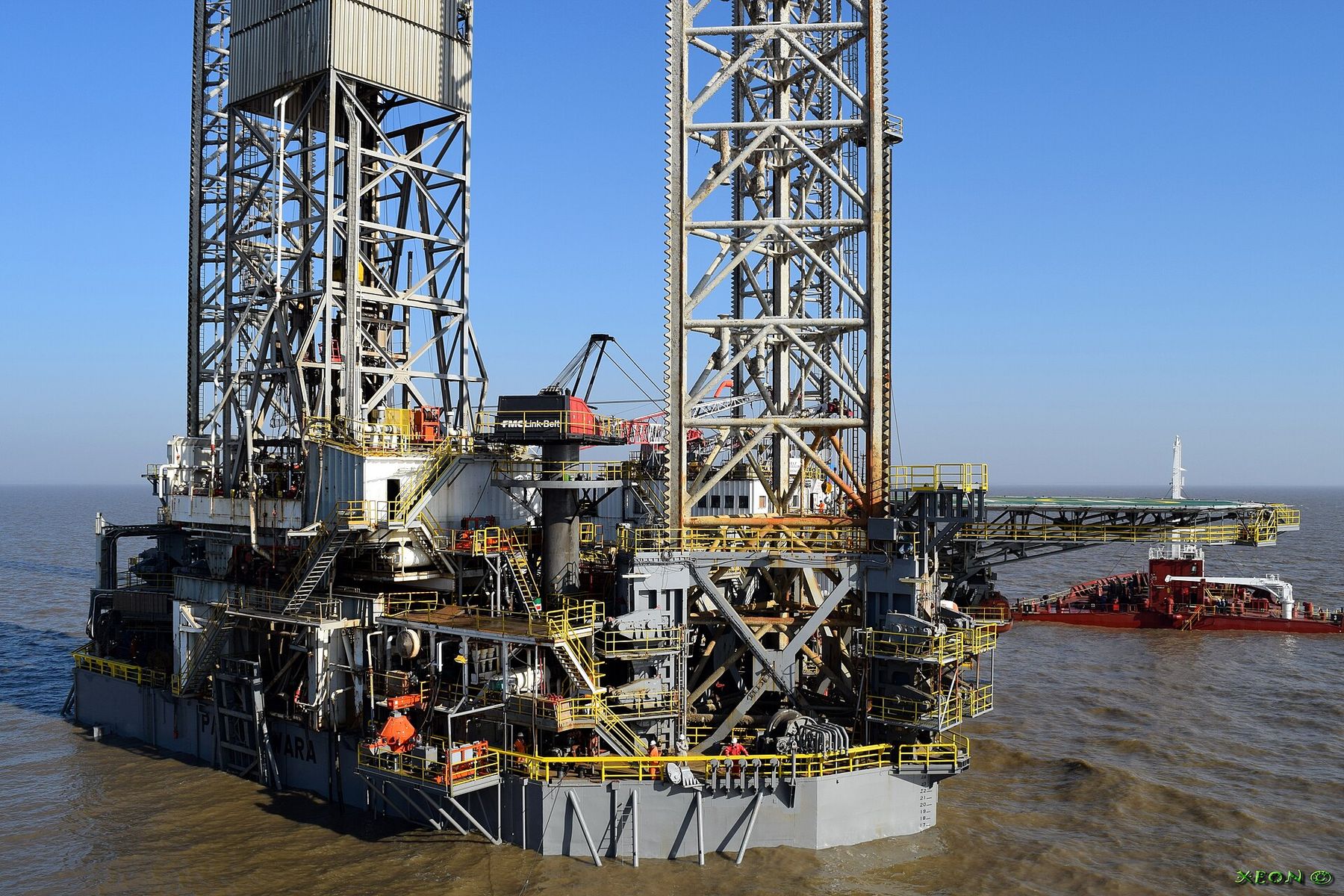
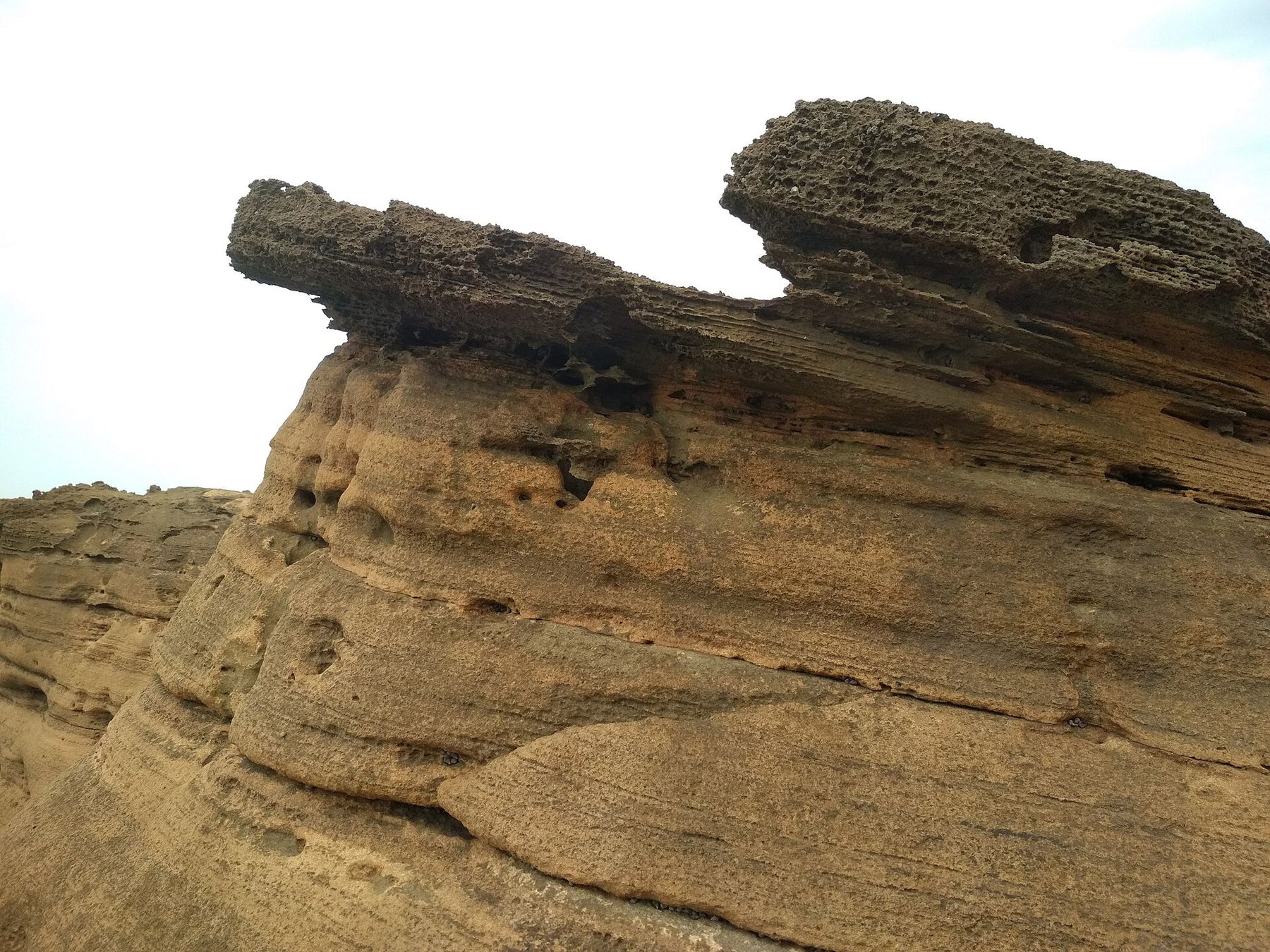
The port, the island, the salt, the stone and the lions. These are photographs of the real places.
Ten words of this coast
English is the language of the drawing. ગુજરાતી is the language of the site. These are ten words a visitor hears here on the first day.
Which door is yours?
Four doors. Pick the one with your name on it.
Say it in one line
You say what must be done and by when. We plan it, staff it, run it safely and hand it back clean. You get a daily report, not a daily problem.
One door
Work to give, work wanted, machines to offer, or something we should know. The number, the address and every form are on one page.